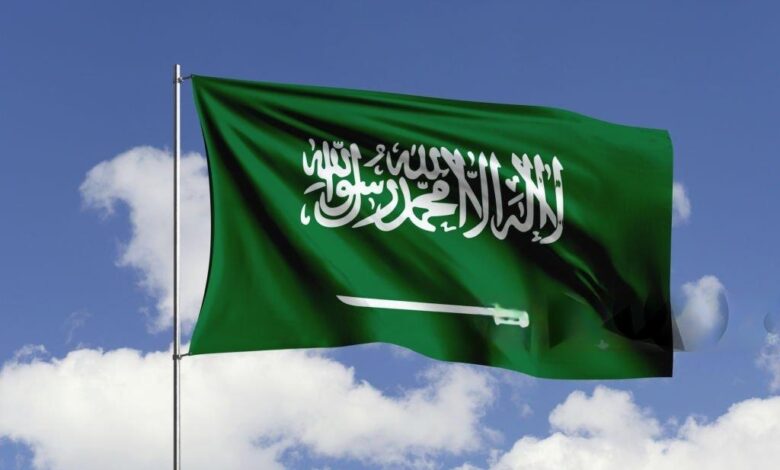
Riyadh (UNA/SPA) – Coinciding with World Cities Day, which falls on October 31st of each year, the progress of the Kingdom of Saudi Arabia in building healthy cities that combine sustainable development, prevention and enhancing quality of life is highlighted, leading the countries of the Eastern Mediterranean and North Africa region with (21) healthy cities accredited by the World Health Organization, including the two largest million-person healthy cities in the Middle East, namely Jeddah and Madinah, in embodiment of the objectives of Saudi Vision 2030 in building a vibrant society whose members enjoy a healthy and sustainable life.
This progress reflects the Kingdom’s approach to building healthy and sustainable cities, by meeting (80) international standards distributed across (9) main axes, including community empowerment for health and development, inter-sectoral cooperation, community information centers, skills development and capacity building, health services, urban environment, emergency preparedness and response, education, and support for small projects, to link human health with various development paths.
The list of approved healthy cities in the Kingdom includes: Jeddah, Al Khobar, Hail, Tabuk, Madinah, Unaizah, Al Jumum, Diriyah, Taif, Jalajil, Al Ghat, Al Zulfi, Riyadh Al Khabra, Sharurah, Al Ardah, Al Mandaq, Abha, Mahayil Asir, Tarib, King Khalid University, and Princess Nourah University.
This transformation is the result of the integration between the Ministry of Health and the Ministerial Committee for Health in all policies, and various government agencies, within the framework of a national approach that enhances the presence of health in development decisions and policies, and confirms that building healthy cities is a shared responsibility that goes beyond the scope of the health sector, to include urban planning, education, environment and community services.
These achievements confirm the Kingdom’s leading position on the global map of healthy cities, through the Ministry of Health’s “Healthy Cities” program, which is the first WHO Collaborating Centre in the region and the fourth globally, embodying the success of the Kingdom’s experience in establishing the concept of health within urban development, and building sustainable cities that place human health and quality of life at the heart of their priorities.
(is over)